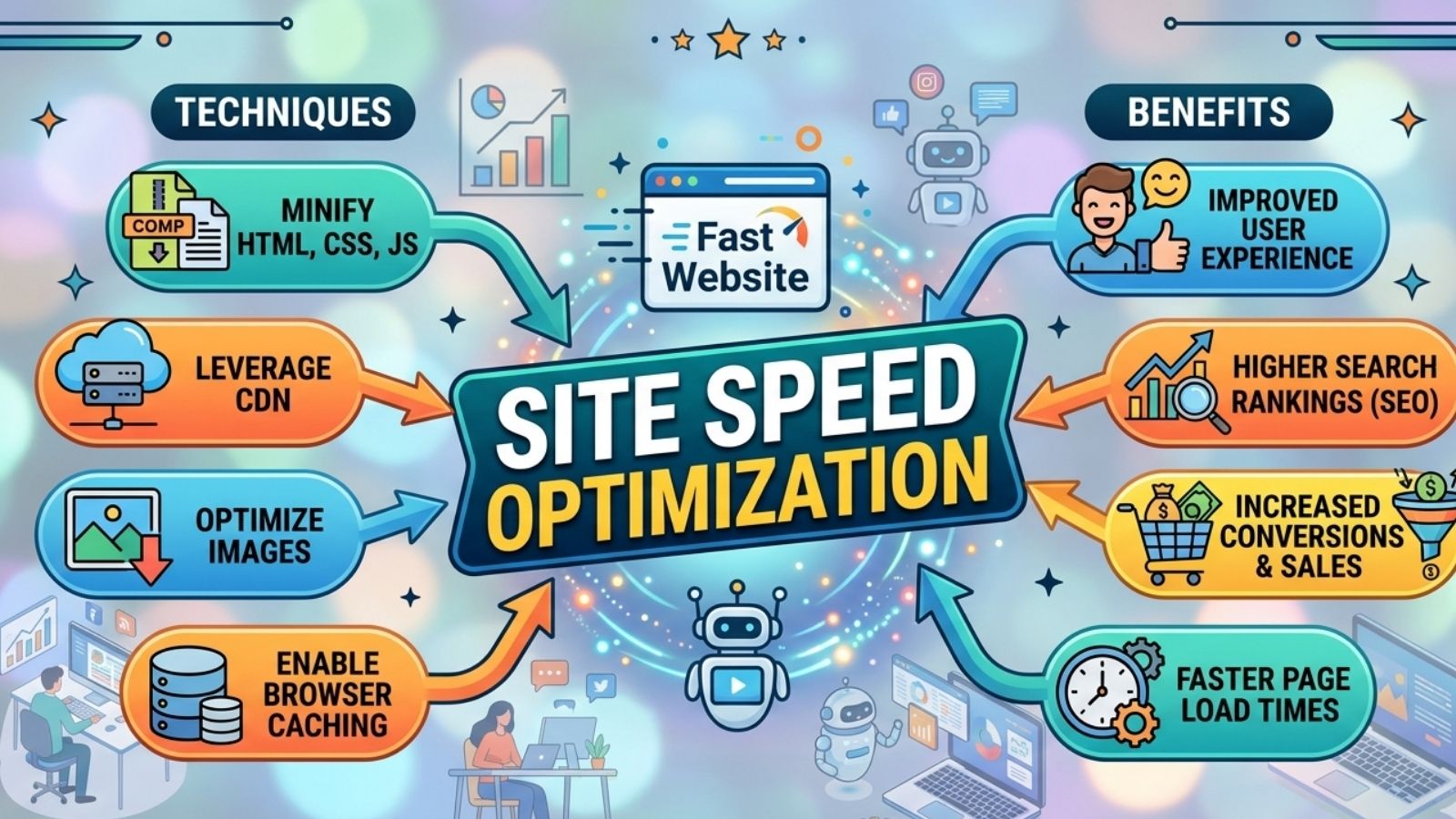
Welcome to AdsCollab, your collaborative advertising platform that connects publishers with premium demand partners, header bidding solutions, and performance-driven tools to maximize revenue without compromising user experience. In 2026, lightning-fast websites are essential for SEO rankings, lower bounce rates, higher ad viewability, and better programmatic yields—making site speed optimization 2026 a critical priority for publishers aiming to thrive in an AI-influenced, mobile-first digital landscape.
Site speed directly impacts everything from organic visibility to conversion rates and ad revenue. With user patience at an all-time low and search engines prioritizing real-user performance through Core Web Vitals, slow-loading pages lead to lost traffic, reduced engagement, and diminished earnings. In 2026, site speed optimization 2026 goes beyond basic tweaks—it's about leveraging AI-assisted tools, edge computing, modern frameworks, and aggressive techniques to achieve sub-2-second loads consistently across devices and networks.
The Importance of Site Speed in 2026
Website speed is no longer optional; it's a core competitive factor. Studies show that even a 100-millisecond delay can reduce conversions by up to 1%, while optimized sites see lifts of 20-38% in engagement and revenue. In 2026, performance ties directly to marketing outcomes: faster pages rank higher in traditional SERPs and AI-driven overviews, improve ad fill rates in header bidding setups, and retain users longer for better monetization.
Core Web Vitals (LCP, INP, CLS) remain central, with emphasis on real-user field data, mobile-first evaluation, and stricter contextual benchmarks. Poor speed signals hurt rankings, increase bounce rates, and lower ad viewability—critical for publishers relying on programmatic demand.
Site Speed vs Slow Site (Comparison Table)
| Factor | Fast Website | Slow Website |
|---|---|---|
| Load Time | <2s | 4s+ |
| Bounce Rate | Low | High |
| SEO Ranking | Higher | Lower |
| Ad Revenue | Higher | Lower |
| User Experience | Smooth | Frustrating |
Core Web Vitals and Site Speed Benchmarks in 2026
Largest Contentful Paint (LCP) targets under 2.5 seconds (ideally <2s) for perceived load time. Interaction to Next Paint (INP) demands under 200ms for responsiveness across interactions. Cumulative Layout Shift (CLS) stays below 0.1 to avoid visual disruptions.
In 2026, benchmarks incorporate device capability and network conditions, but top performers aim for aggressive thresholds like LCP <1.5s and INP <150ms to gain ranking edges and support high-competition ad auctions.
Choosing High-Performance Hosting and Infrastructure
Start with optimized hosting: opt for managed providers with built-in caching, SSD storage, and HTTP/3 support. Edge computing and serverless architectures reduce latency by processing closer to users.
Implement a robust CDN to deliver static assets globally, minimizing TTFB (Time to First Byte) to under 200ms. For burst traffic, auto-scaling and geo-routing prevent slowdowns during peaks.
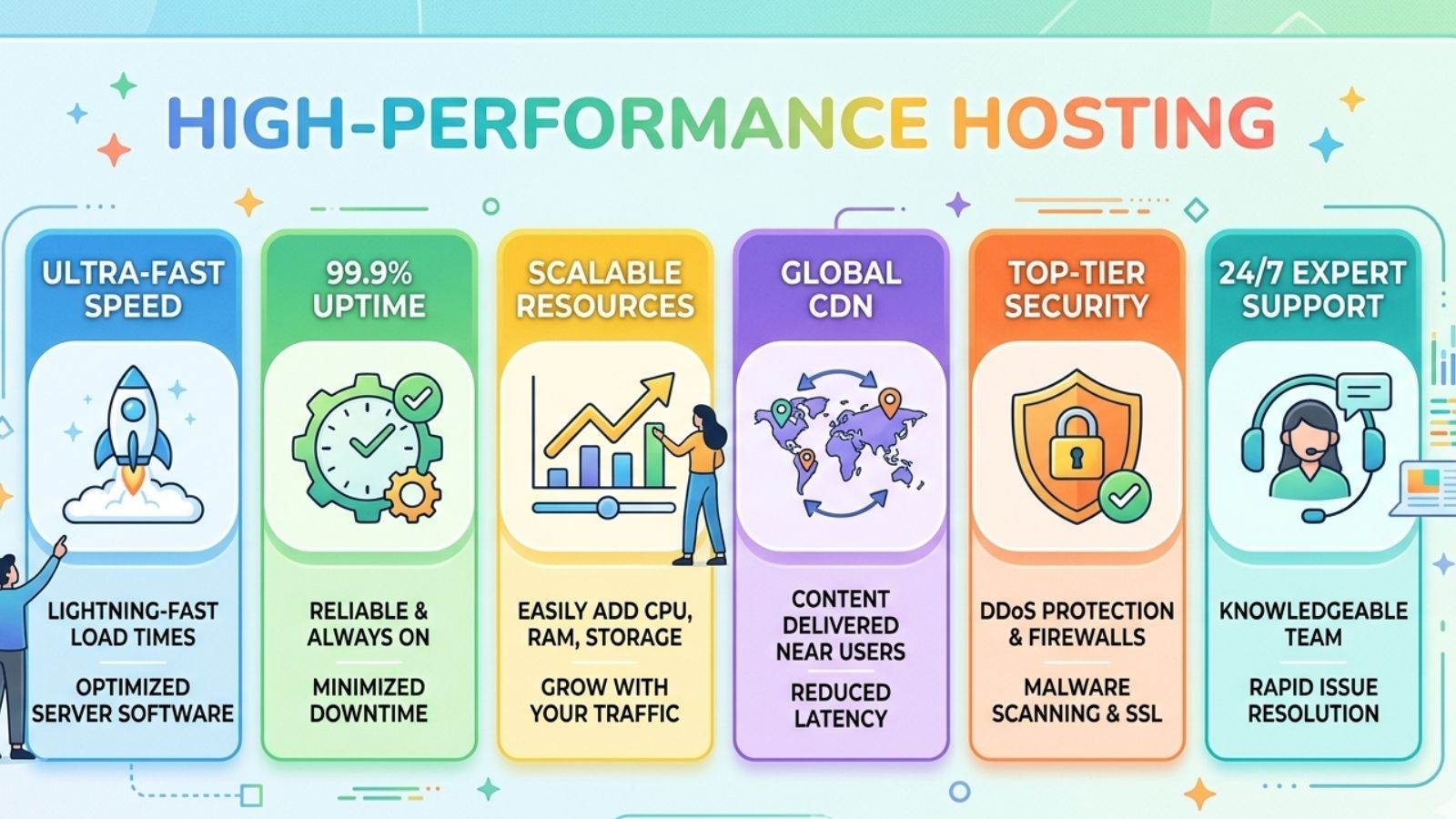
Image and Media Optimization Techniques
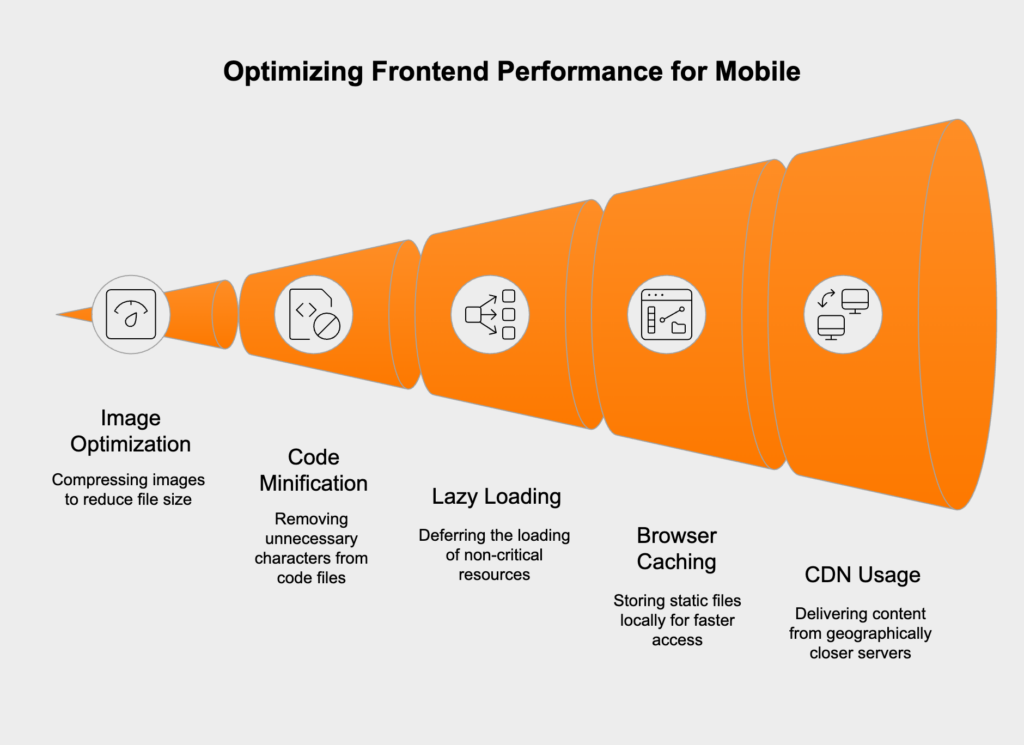
Images often account for 50-70% of page weight. Convert to next-gen formats like AVIF or WebP (30%+ savings over JPEG). Use responsive images with srcset and sizes attributes for device-specific delivery.
Compress without quality loss using tools like Squoosh or automated plugins. Implement lazy loading for below-the-fold media to defer non-critical loads. For videos, use adaptive streaming and poster images to avoid heavy initial downloads.
Leveraging Caching and Browser Optimizations
Browser caching stores assets locally, reducing repeat requests. Set long expiration headers for static files and use service workers for progressive enhancement.
Full-page caching serves static HTML to most visitors, while object caching speeds dynamic elements. Combine with CDN edge caching for global efficiency.
Minifying and Bundling Code Resources
Minify HTML, CSS, and JavaScript to remove whitespace and comments. Bundle files to reduce HTTP requests, but avoid mega-bundles that delay interactivity—use code splitting for on-demand loading.
Defer non-critical JS with async/defer attributes. Eliminate render-blocking resources by inlining critical CSS and deferring the rest.

Advanced Frontend Frameworks and Meta-Frameworks
Next-gen frameworks like Next.js, Astro, and Remix enable instant loading through static generation, SSR, and partial hydration. The React Compiler automates memoization and performance tuning at build time.
These tools produce faster sites natively, often achieving 90+ PageSpeed scores without heavy manual tweaks—ideal for content-heavy publisher sites.
AI-Powered Optimization Tools in 2026
AI becomes standard for site speed: automated audits detect bottlenecks, suggest fixes, and even apply optimizations like dynamic image resizing or predictive prefetching.
Tools integrate ML to forecast performance regressions and adjust in real-time, making ongoing maintenance effortless for non-technical publishers.
Reducing Third-Party Impact and JavaScript Bloat
Third-party scripts (analytics, ads, widgets) are major culprits. Audit and defer non-essential ones, use lightweight alternatives, or self-host where possible.
Implement consent management to load trackers only after user approval, preserving initial load speed.
Mobile-First and Responsive Performance
With mobile dominating traffic, prioritize mobile optimization: test on real devices, use viewport meta tags, and ensure touch-friendly elements.
Progressive enhancement ensures core content loads fast on slow networks, with enhancements for high-end devices.
Monitoring and Continuous Testing
Use Google PageSpeed Insights, Lighthouse, and CrUX for field data. Set up real-user monitoring (RUM) tools to track CWV trends and regressions.
Establish performance budgets for images, JS, and requests to prevent creeping slowdowns. Run regular audits and A/B tests to validate improvements.
How Site Speed Optimization Boosts Ad Revenue
Faster sites support more demand partners in header bidding without latency penalties, improve viewability scores, and extend session times for higher ad impressions.
Optimized performance reduces abandonment, leading to better engagement signals and sustained revenue in programmatic ecosystems.
Common Pitfalls and How to Avoid Them
Avoid over-optimization that breaks functionality—test thoroughly after changes. Neglecting mobile or real-user data skews results; always prioritize field metrics.
Don't ignore regressions from new features or plugins—integrate speed checks into deployment workflows.
How AdsCollab Enhances Speed-Optimized Publishing
AdsCollab (adscollab.com) offers lightweight integrations and header bidding wrappers designed for minimal impact on load times. Our tools pair perfectly with optimized sites, ensuring high fill rates and premium demand while maintaining excellent Core Web Vitals.
Best For: Who Needs Speed Optimization Most?
Site speed optimization is critical for:
- Publishers (ads revenue)
- E-commerce websites
- Affiliate sites
- Content blogs
- SaaS platforms
👉 If your site makes money → speed matters
How AdsCollab Helps Optimize Performance
AdsCollab supports speed-focused monetization with:
- Lightweight ad integrations
- Optimized header bidding
- Advanced analytics tools
- Revenue-focused performance strategies
👉 Visit: https://adscollab.com
👉 Learn optimization strategies
👉 Contact: https://www.adscollab.com/contact
Conclusion
Site speed optimization 2026 is foundational for SEO dominance, user retention, and revenue maximization in a demanding digital environment. By focusing on infrastructure, media, code efficiency, modern frameworks, and AI assistance, publishers can achieve elite performance that translates to tangible gains. Start with an audit, implement high-impact fixes, and monitor continuously—your site's speed is your competitive advantage. Visit AdsCollab.com to discover how our platform complements fast, high-performing sites for superior monetization

